

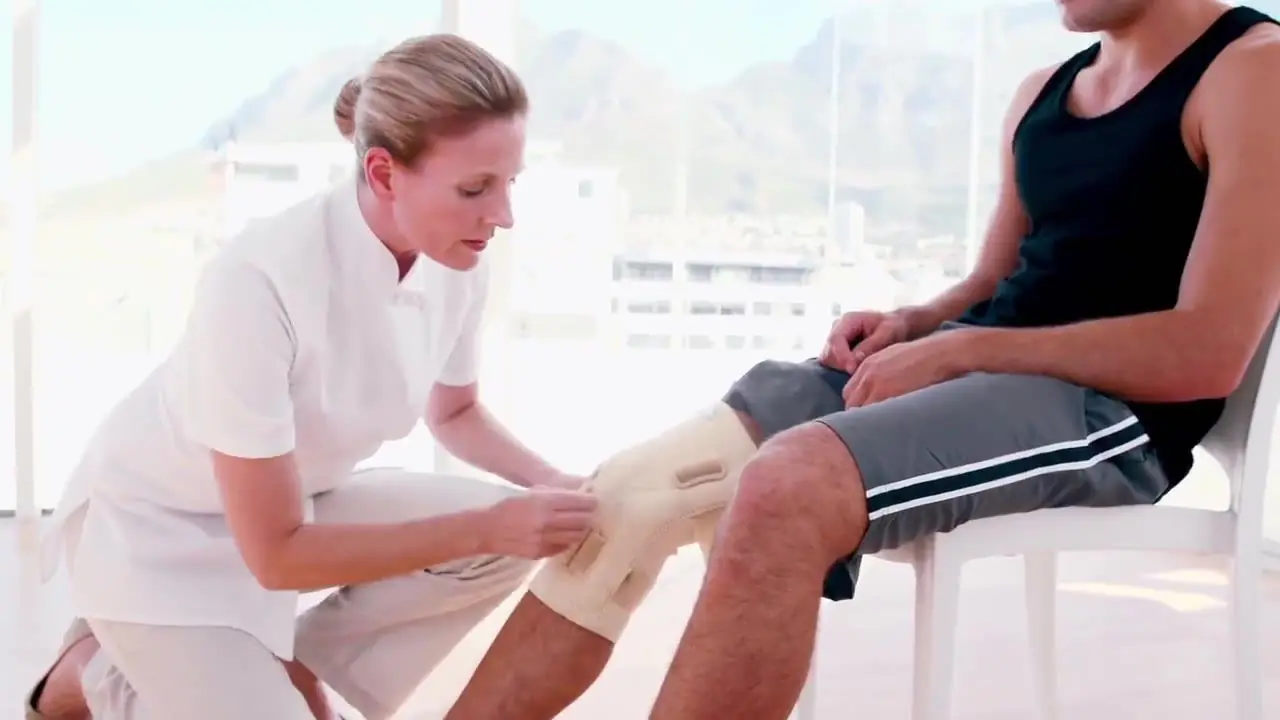
Whether you run at the weekend, play five-a-side, lift at the gym or compete seriously, an injury can stop you in your tracks. Sports physiotherapy gets you an accurate diagnosis quickly and a clear plan back to full training.
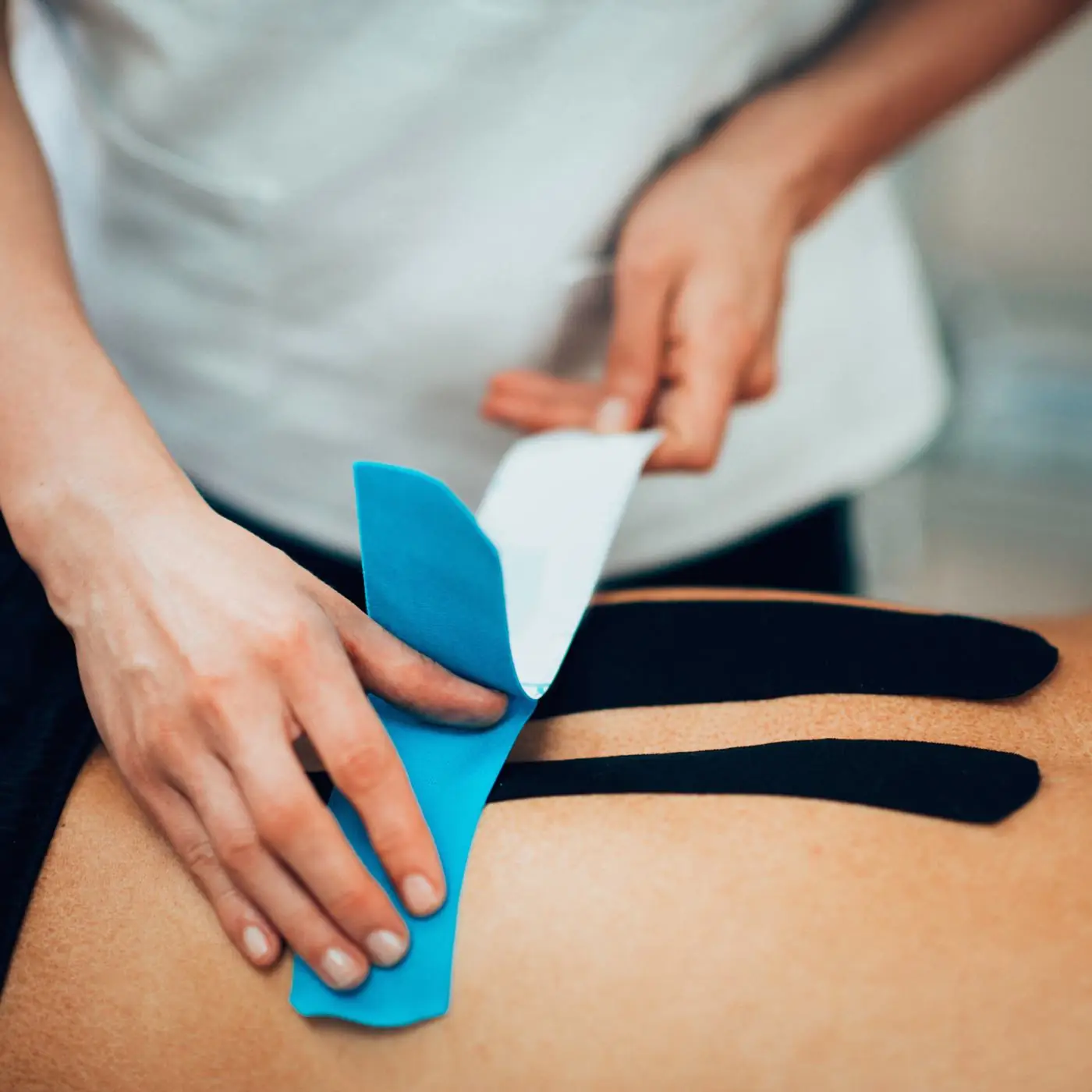
Sports injury physiotherapy explained
Sports injury physiotherapy focuses on diagnosing, treating and preventing injuries caused by exercise and sport. Whether you are training for your first 10k around Slough, playing Sunday league in Ealing, lifting at the gym or competing at club level, an accurate diagnosis and a structured plan are the fastest route back.
The goal is not just to make the pain go away, but to return you to your sport stronger and more resilient, with a lower risk of the same injury coming back.
Why sports injuries happen
Most sports injuries come down to load: doing too much, too soon, or too often, without enough recovery. Changes in training volume, new footwear, different surfaces, poor technique, muscle imbalances and previous injuries all increase the risk.
Some injuries are sudden, such as an ankle sprain or hamstring strain. Others build gradually, such as Achilles or patellar tendon pain, shin splints or runner's knee. Both types respond well to the right physiotherapy, but they need different approaches.
Our sports rehabilitation process
We start with a detailed assessment of the injury and the factors behind it, including your training history and goals. You'll receive a clear diagnosis and an estimate of your recovery time.
Rehab moves through stages: settling pain and protecting healing tissue, restoring range of movement, rebuilding strength, then adding power, speed, agility and sport-specific drills. We use objective tests such as strength and hop tests to decide when you are ready to return, rather than guessing.
Where helpful we include sports massage, taping and running analysis, and we can adapt your training so you stay as fit as possible during recovery.
Preventing injury
A good strength programme is one of the most effective ways to prevent sports injuries. Increase training load gradually, ideally by no more than around 10% a week, include rest days, and don't ignore early niggles. Warm up properly and make sure your footwear suits your sport and foot type.
We offer pre-season and pre-event checks for runners and team players who want to stay injury-free.
When to get seen
Book an assessment if pain is affecting your training, isn't settling after a week, causes limping, or if a joint swells, locks or gives way. Seek urgent care for suspected fractures, dislocations or head injuries.
Sports physio in Slough and Ealing
Gogodoc Physio offers prompt appointments, including weekends, at both our Slough and Ealing clinics. We treat recreational and competitive athletes aged 12 and over, and can liaise with coaches, clubs and personal trainers to support your return.
Sports Injury conditions we treat in Slough & Ealing
- Running injuries
- Shin splints, runner's knee, IT band and Achilles pain.
- Muscle strains
- Hamstring, calf, groin and quad strains.
- Ligament sprains
- Ankle and knee ligament injuries, including ACL rehab.
- Tendon problems
- Patellar, Achilles and shoulder tendinopathy.
- Shoulder injuries
- Rotator cuff and instability in overhead sports.
- Back pain in sport
- Lifting, rotation and impact-related back pain.
More conditions we help with
- Hamstring strain
- Pulled hamstrings in football, sprinting and cricket, rehabbed with progressive loading.
- Runner's knee
- Pain around the kneecap that worsens on stairs, squats or downhill running.
- Shin splints
- Pain along the shin from a sudden increase in running or impact training.
- ACL and ligament injuries
- Knee instability after a twist, with or without surgery.
- Ankle sprain
- Rolled ankles, including recurrent sprains and weakness.
- Groin and hip pain
- Adductor strains and hip pain common in football, rugby and martial arts.
- Cricket injuries
- Side strains, bowling-related back pain and shoulder overload.
- IT band syndrome
- Pain on the outside of the knee in runners and cyclists.
- Sports massage
- Deep tissue massage for recovery, tight muscles and event preparation.
Not sure if we can help? See our A–Z of conditions we treat or call 020 3371 0995.
Running assessment: what is included
A running assessment helps if you keep getting the same injury, are returning after time off or want to run more efficiently.
- A full history of your training, injuries and goals
- Strength, flexibility and single-leg control tests
- Video analysis of your running technique
- A clear report with key findings
- A personalised strength plan and training advice
Sports Injury treatments and techniques
- Injury assessment
- Clear diagnosis and severity grading.
- Sports massage & manual therapy
- Reduce tension and improve tissue quality.
- Strength & conditioning
- Rebuild strength, power and control.
- Return-to-sport testing
- Objective tests before you go back to full play.
- Running analysis
- Look at technique and load to prevent recurrence.
- Taping & strapping
- Support during the return to training.
Your sports injury recovery timeline
- Days 1–7Assessment, load management and early movement.
- Weeks 2–4Strength and mobility restored.
- Weeks 4–8Power, speed and sport-specific training.
- ReturnObjective testing, then back to full play.
Sports Injury prices
- Initial assessment and treatment60 min£75
- Follow-up treatment45 min£60
- Short follow-up30 min£45
- Running assessment with video analysis75 min£110
Self-pay prices. Insured? We can bill most major insurers directly. All prices
Who sports injury physiotherapy is for
Runners, footballers, cricketers, gym users, dancers, racket sports players and anyone who wants to stay active without injury.
You may benefit if you notice: pain during or after training; an injury that isn't improving with rest; swelling, clicking or giving way in a joint; reduced performance or power; wanting to prevent injury before an event.
Sports Injury Physiotherapy: frequently asked questions
Should I rest or keep training?
Do you treat children and teenagers?
How soon can I be seen?
Can you help me prepare for a marathon?
Do you offer sports massage in Slough and Ealing?
How long does a hamstring strain take to heal?
Should I see a physio or a sports therapist?
Can you help with a running injury before a race?
Book sports injury physiotherapy near you
Appointments are available at Gogodoc Physio Slough, for patients from Slough, Langley, Burnham, Farnham Royal, Windsor, Cippenham and Iver, and Gogodoc Physio Ealing, for patients from Ealing Broadway, West Ealing, Hanwell, Acton, Southall and Greenford.
Sports injury physiotherapy diagnoses your injury, treats pain and builds strength so you can return to sport safely and reduce the risk of it happening again. Gogodoc Physio treats runners, footballers, cricketers, gym-goers and weekend athletes of all levels at our Slough and Ealing clinics.
Reviewed by the Gogodoc Physio clinical team, led by Sen Ramanathan, Clinical Director, Principal Practitioner · Updated October 2026This guide is general information and not a substitute for individual clinical advice. For severe or sudden symptoms, contact your GP or NHS 111.